Utah landscape design is about more than making a yard look finished. It has to work with dry summers, cold winters, changing sun exposure, and the way families actually use their outdoor space. That’s why homeowners across the Salt Lake Valley and Northern Utah turn to experienced teams like Cottonwood Landscapes when they want a yard that feels beautiful, practical, and built to last.
A thoughtful design plan helps you avoid expensive mistakes later. It also gives you a clearer path from idea to installation, whether you want a front yard that boosts curb appeal, a backyard built for gathering, or a landscape that uses less water without looking sparse. With the right approach, your yard can do more than look good in one season.
Why Utah Yards Need A Smarter Design Plan
Utah’s climate is not forgiving to guesswork. Plants that look great in a nursery can struggle once they face intense sun, wind, clay soil, irrigation issues, or long periods of cold. Hardscape materials also need to be chosen carefully so patios, retaining walls, and walkways hold up over time.
That is why planning matters so much. A design that ignores soil conditions, drainage, plant growth, or snow storage can create problems that show up only after installation. Those problems are usually more costly to fix than they would have been to prevent.
Professional planning also helps you make better use of your property. Experts estimate that quality landscape design can add 5% to 8% to property value, but the real value often starts with daily life: easier maintenance, better flow, and a yard you actually enjoy using.
For homeowners who want a reliable reference point, Cottonwood Landscapes offers landscape design services shaped around Utah conditions and long-term usability.
The Best Utah Landscape Design Blends Softscaping And Hardscaping
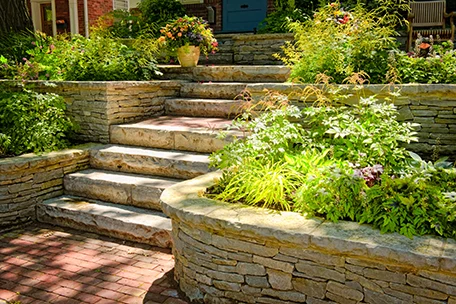
A strong yard usually depends on balance. Softscaping brings life, color, shade, and seasonal interest. Hardscaping provides structure, function, and durability. When those two sides work together, the result feels complete instead of pieced together.
Softscaping may include:
- Native or drought-tolerant plants
- Trees for shade and scale
- Flower beds for color and texture
- Garden boxes for growing herbs or vegetables
- Xeriscaping for lower water use
Hardscaping may include:
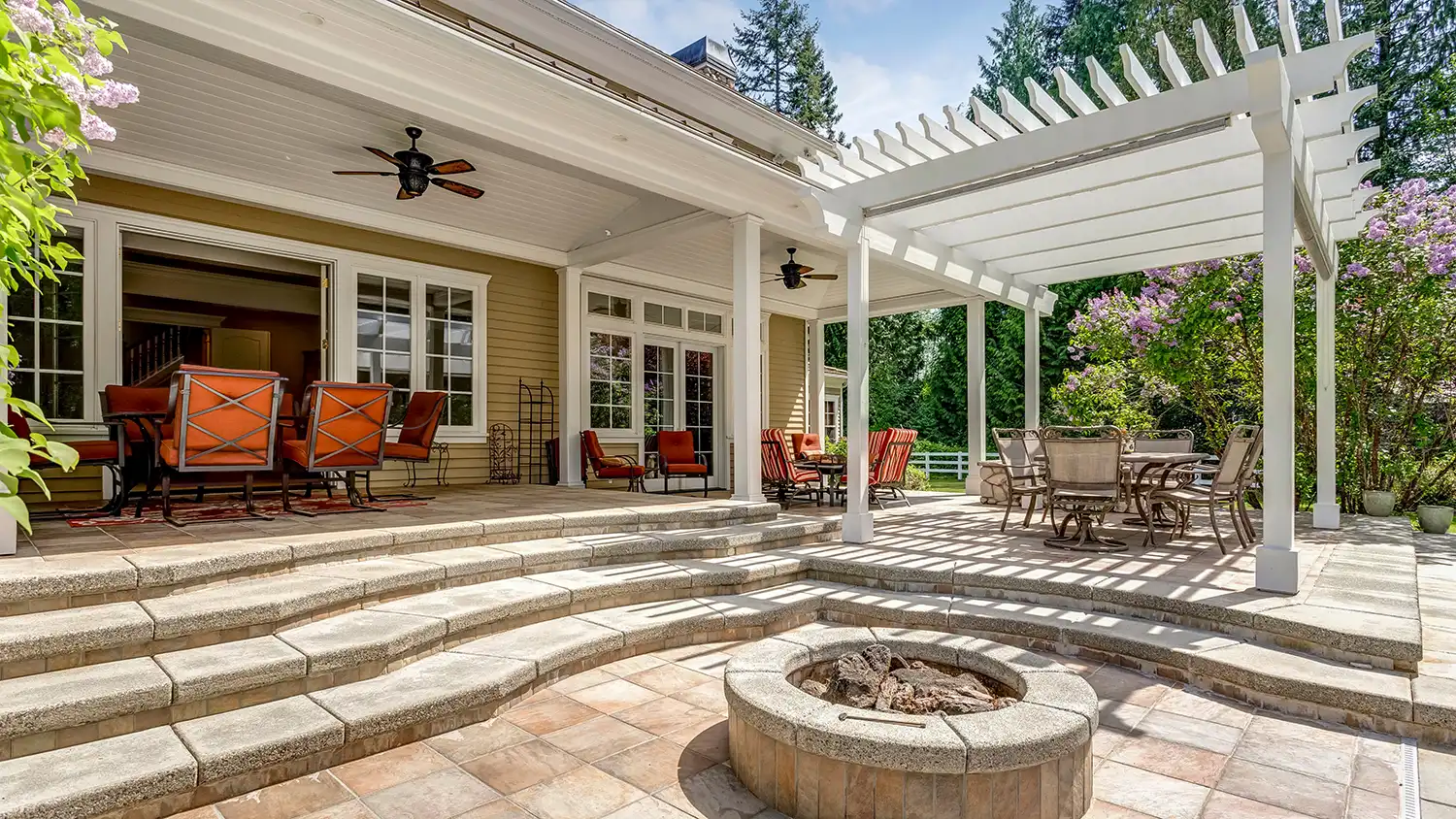
- Paver patios
- Retaining walls
- Pergolas and patio covers
- Fire pits and outdoor kitchens
- Water features that create a focal point
The goal is not to add everything possible. The goal is to choose the right mix for the property, the architecture, and the way the homeowner wants to live outside. Cottonwood Landscapes approaches that balance as part of a full design process, not as an afterthought.
Start With Function Before Style
A yard should solve real problems first. Do you need more seating space? Better privacy? A safer slope? A cleaner entry path? Once those needs are clear, style decisions become much easier.
For example, a backyard designed for entertaining might begin with a patio and built-in gathering area. A front yard focused on curb appeal may need a clean walkway, layered planting, and a focal point near the entry. In both cases, the final look depends on how the space is meant to work.
Choose Materials That Match Utah Conditions
Utah landscape design should always account for freeze-thaw cycles, sun exposure, irrigation, and snow removal. The wrong materials can crack, shift, fade, or become difficult to maintain.
That is one reason durable hardscape design matters so much. It gives the yard a backbone that can handle real use throughout the year. Cottonwood Landscapes has over 35 years of experience helping homeowners make those choices with confidence, especially when the project combines structural elements with planting design.
Cottonwood Landscapes Designs Around Color, Form, Line, Scale, And Texture
Great outdoor spaces do not happen by accident. They are shaped by design principles that create visual harmony and make the yard feel intentional. Cottonwood Landscapes uses five core guidelines: color, form, line, scale, and texture.
These principles sound simple, but they affect everything from plant placement to patio layout. Color can guide attention. Form shapes the silhouette of the space. Line controls movement. Scale keeps features from feeling too small or too large. Texture adds variety and depth.
That matters because a yard that ignores these principles can feel disconnected. A patio might look oversized next to a small home. A row of shrubs might hide the entry instead of framing it. A fire pit may feel isolated if it is not tied into the rest of the layout.
How A Focal Point Gives The Yard Direction
Every good landscape needs a place where the eye naturally lands. That focal point might be a tree, a pergola, a fire feature, a water element, or a carefully designed planting bed. Without one, the yard can feel visually scattered.
A focal point also helps connect the rest of the design. It gives the patio a destination, the planting beds a purpose, and the walkways a sense of direction. In a well-designed yard, the eye moves from one element to the next without confusion.
Why Scale Can Make Or Break The Finished Look
Scale is often overlooked, but it has a big impact. Small plants can look lost beside a large home. Oversized walls can overwhelm a narrow side yard. Even a beautiful patio can feel awkward if it takes up too much of the available space.
This is where thoughtful planning pays off. Cottonwood Landscapes designs with the whole property in mind, so the finished yard feels proportionate, not crowded or sparse. That kind of balance is one reason custom design is worth the time up front.
Practical Choices That Make A Yard Easier To Live With
A great landscape should support everyday life, not complicate it. The best Utah landscape design choices are the ones that fit your schedule, your budget, and the way your family uses the space.
If you want lower water use, xeriscaping may be part of the answer. If you want more shade and comfort, a pergola or tree placement may be more useful than adding more planting beds. If your property has a slope, retaining walls can solve drainage and grade issues while also creating usable space.
Here are a few practical questions to ask before starting a project:
- Where does the sun hit hardest during the day?
- Which parts of the yard are actually used most often?
- Do you need more privacy from neighbors or the street?
- Is water use a concern for the long term?
- Do you want a space for entertaining, gardening, or quiet relaxation?
These questions help the design process stay grounded in real needs. They also keep you from overspending on features that look impressive but do not improve how the yard functions.
Cottonwood Landscapes is especially effective when a project needs both vision and execution. Because the company handles design and installation, the plan can stay consistent from concept through construction. That is valuable when your project includes complex features like outdoor kitchens, fire pits, decks, or layered planting areas.
A Better Landscape Starts With A Plan You Can Trust
The most successful outdoor spaces are usually the ones that were planned carefully from the start. They match the home, suit the climate, and reflect how the owner actually lives. They also avoid the frustration of redesigning around mistakes that could have been prevented early on.
That is the real advantage of working with a seasoned team like Cottonwood Landscapes. Their Utah landscape design experience brings together hardscape, softscape, and long-term thinking in one process. For homeowners in the Salt Lake Valley and Northern Utah, that can mean a yard that looks refined, functions well, and continues to serve the property for years.
If you are ready to improve your outdoor space, start with a design conversation before you start buying materials. A clear plan will help you make better decisions, protect your budget, and move toward a yard that feels finished in every season.