You sweep soil off the patio after a storm. A planting bed keeps washing downhill. The steep corner of your backyard still sits unused, even though you could use more room outside.
These are good reasons to take a closer look before winter sets in. For homeowners researching retaining walls Utah properties often require, the primary question is whether a dedicated wall will solve their slope and soil issues.
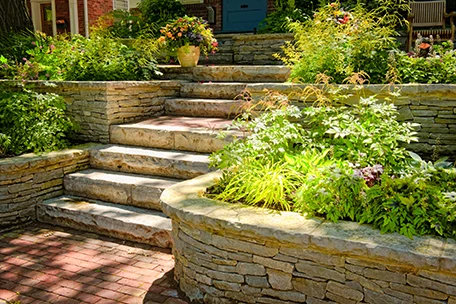
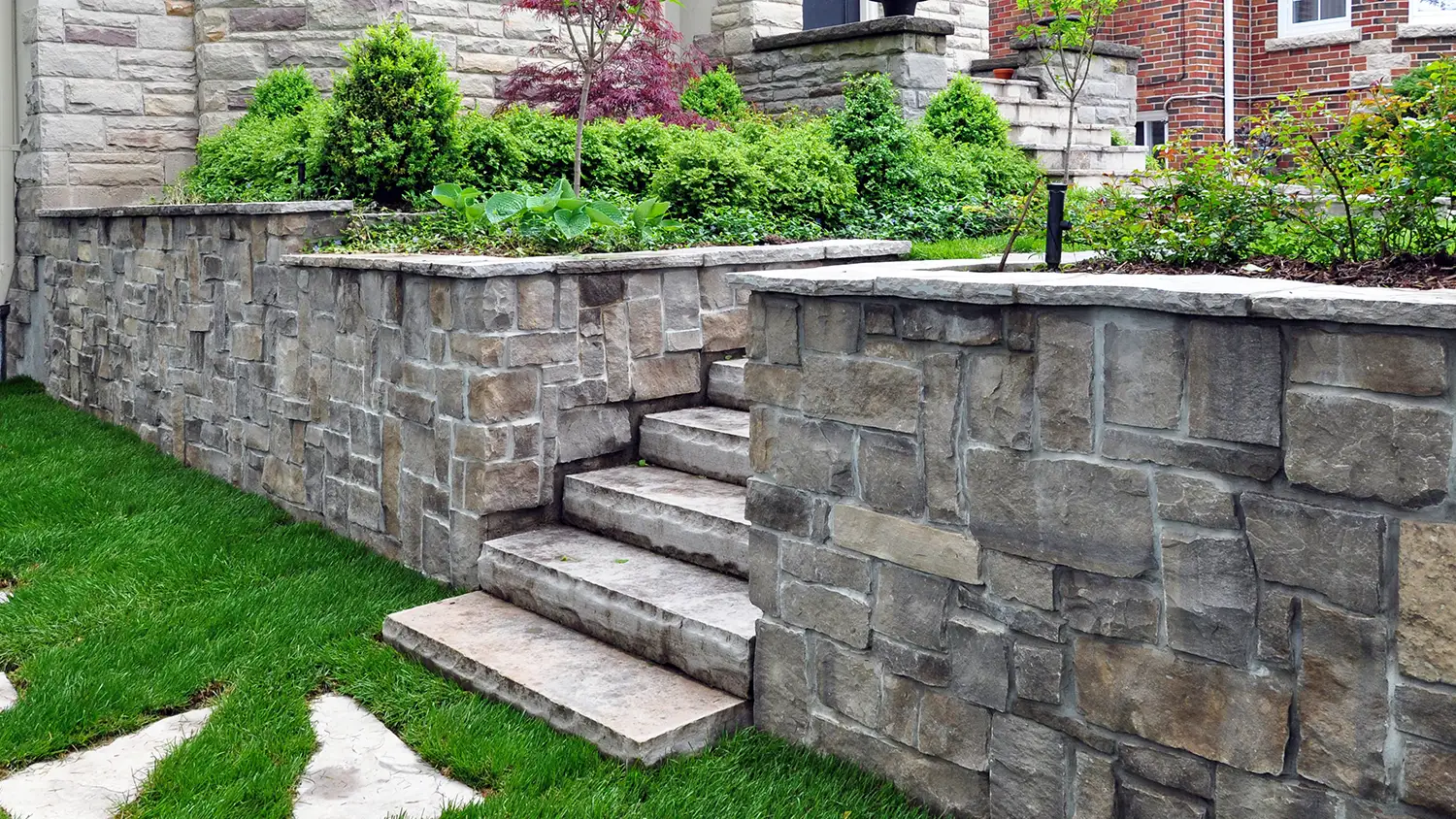
A landscape retaining wall holds soil securely in place where elevation changes occur. Beyond structural support, a well-designed wall transforms sloped terrain into usable terraces while elevating the visual appeal of your property. However, not every slope calls for masonry or block; gentler grades might only need optimized drainage or strategic vegetation.
At Cottonwood Landscapes, we consider how a change fits the whole yard. Here are five signs worth discussing with a landscape professional this fall.
1. Soil Keeps Washing Out of the Same Area
A little loose mulch after a windy day is different from soil that repeatedly washes downhill. If you keep rebuilding the same planting bed, look at what happens when water moves through it.
Common signs of erosion include:
- Small channels forming in exposed soil after rain.
- Roots becoming exposed as soil washes away.
- Sediment collecting at the bottom of a slope.
- A bed losing soil despite repeated refilling.
Installing a sturdy landscape retaining wall helps control grade changes, providing structural stability alongside space for plant beds. Proper integration with surrounding drainage remains critical to avoid pooling water.
For gentler slopes, established ground cover may be part of the solution. Where runoff is concentrated, its source needs attention too. Adding a wall without understanding why the soil is washing away can leave the original problem unresolved.
2. A Steep Slope Makes Part of Your Yard Difficult to Use
Some slopes belong in the landscape. Others make routine yard care awkward or leave you without a comfortable place to sit.
Think about the space you avoid. Perhaps mowing feels difficult in the side yard. Or the only spot large enough for a dining area slopes too much for a table to sit level.
A custom backyard retaining wall turns unmanageable slopes into functional outdoor living spaces. Creating tiered levels often provides better structural support and visual balance than a single tall wall.
Before deciding on a wall, decide what you want the space to do. A planting terrace has different requirements from a patio that will support regular gatherings.
Our landscape design services help connect those goals to a plan for the property. If a patio is part of that plan, consider the wall and pavers or flagstone together so the finished space has room for comfortable access.
3. Runoff Repeatedly Crosses or Collects Near Your Patio
After a storm, does water travel through the same corner of the yard? Does it leave mud along the patio edge or collect below a slope?
Those patterns deserve attention, but they do not prove that you need a retaining wall.
Start by observing where the water comes from. A downspout emptying onto a hillside creates a different problem from water flowing across a larger uphill area. Irrigation can also contribute to persistently wet ground.
A retaining wall may be one part of a design that reshapes the yard. However, the plan must account for drainage behind the wall and where collected water will go. Water trapped behind a wall can add pressure.
The important question is not simply, “Where should the wall go?” It is, “How will water move through this area after the work is finished?”
A decorative water feature serves a different purpose from a drainage system. If runoff is the concern, focus the evaluation on managing that runoff.
4. Soil Is Encroaching on a Patio or Near a Structure
There is a difference between sediment washing onto paving and a larger area of ground appearing to move. Both are worth evaluating when the change keeps happening.
For example, you may notice that the uphill bed beside your patio is spreading over its edge. Or ground near a shed may look different from how it did earlier in the season.
Take photos from a safe location and note when you first noticed the change. These records can help explain the history during a site visit. They cannot establish whether the slope or a nearby structure is stable.
A wall may be worth considering where soil needs to be retained beside an outdoor living area. Significant movement near a home needs professional evaluation before a landscaping solution is selected. Depending on the concern, that may include a structural or geotechnical engineer.
If movement is sudden or appears to threaten a structure, keep people away from the affected area and seek prompt professional help. Do not wait for spring planning.
5. An Existing Retaining Wall Has Changed
An older wall can blend into the background until something looks different. A newly leaning section or a growing gap deserves attention even if the wall has been there for years.
Watch for changes such as:
- Bulging or leaning that was not previously visible.
- New cracks or widening joints.
- Blocks shifting out of alignment.
- Soil washing out around the base.
- Timber showing substantial decay.
These observations are reasons for an inspection, not a diagnosis of failure. A professional needs to assess the wall in person and consider the conditions around it.
An old retaining wall can often be replaced, but the cause of its deterioration matters. Rebuilding the visible face without addressing an underlying drainage problem may lead to more trouble.
Avoid trying to straighten a leaning wall or excavate behind it yourself. An evaluation should come before repair decisions.
What to Check Before Winter
Fall gives you an opportunity to document concerns while the ground is still visible. You can also explain what happened during summer irrigation or recent rain before snow covers the area.
Before a consultation:
- Photograph recurring erosion or wall changes from a safe location.
- Note where runoff starts and where it collects.
- Describe how you would like to use the affected space.
- Gather any plans or records for an existing wall.
Planning retaining walls in Utah also means accounting for winter exposure. The design needs to consider local soil conditions and drainage. Materials and construction details should suit the site’s freeze-thaw conditions.
Fall can be a good time to begin that work, but it does not mean every wall should be installed immediately. Construction timing depends on the site and weather, along with any required approvals or engineering.
A Wall Should Fit the Rest of Your Yard
When installed by experienced retaining wall contractors Utah homeowners trust, a retaining wall offers both structural resilience and elegant architectural framing.
Beside a patio, its finish can complement the paving. Along a planting terrace, its shape can give the garden definition. The right design balances appearance with the job the wall needs to perform.
At Cottonwood Landscapes, we can help you consider a wall as part of a broader landscape plan. Explore our retaining wall services to see how that work can fit your property.
If you suspect structural movement or want to improve your property’s layout, consulting professional retaining wall companies Utah relies on ensures your project is built safely and lasts through winter freeze-thaw cycles.
Button: Request a Landscape Consultation
Frequently Asked Questions
How do I know if my yard needs a retaining wall?
Recurring soil erosion, unmanageable slopes, or visible shifts in existing hardscapes suggest your property may need a Utah retaining wall. An on-site evaluation by experienced contractors helps determine whether a wall or an alternative drainage solution is best.
Can retaining walls help with erosion?
Yes, a properly designed wall can help retain soil where the grade changes. It should work with appropriate drainage and slope treatment. A wall alone may not stop erosion caused by concentrated runoff.
Do retaining walls help create usable yard space?
They can. A retaining wall may allow a sloping area to become a terrace for planting or outdoor use. The available space and intended use determine what is practical.
Can an old retaining wall be replaced?
Yes. The existing wall and surrounding conditions should be evaluated first. Replacement may also require drainage improvements or changes to the design, depending on why the original wall deteriorated.
Is fall a good time to plan a retaining wall in Utah?
Fall can be a useful time to assess visible concerns and begin design. Installation timing depends on project requirements and site conditions. Significant movement or a potentially unstable wall should receive prompt attention regardless of the season.